
Emergency care
Medical emergencies
If you or someone close to you is experiencing a medical emergency, call Triple Zero (000) straight away.
Our emergency departments across Australia are open 24/7 to treat serious injuries, sudden illnesses and urgent medical needs.
We understand that coming to the emergency department can feel stressful. Our doctors, nurses and healthcare teams are here to support you from the moment you arrive.
When you come in – by ambulance or private transport – our team will assess your condition and decide how urgently you need care. This helps us make sure the most urgent cases are treated first. You may receive treatment straight away, or be referred for tests or to a specialist if needed.
-
No appointment needed
-
No referral needed
Please note: Arrival procedures and fees vary by hospital. Check your hospital’s website for details.

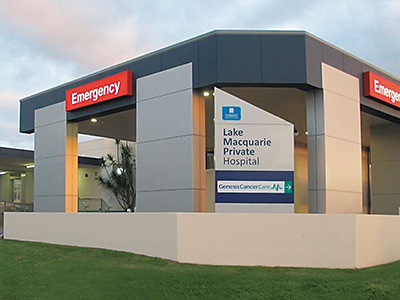

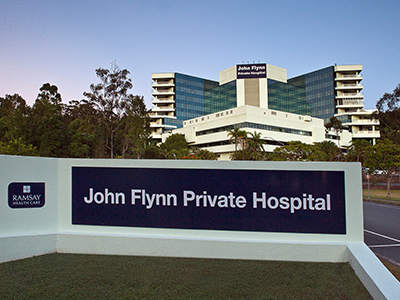


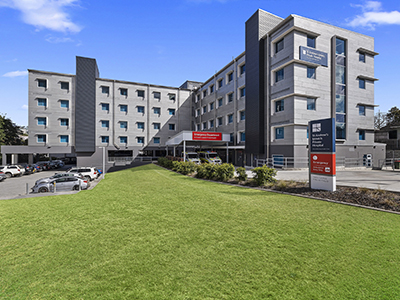

Emergency Department Nurse Liaison Program
Ramsay Health Care has introduced an Emergency Department Nurse Liaison (EDNL) program at selected sites across Australia, as part of our commitment to improving timely access to patient care across the broader health system.
Our ED nurse liaisons help to reduce pressure on public hospital emergency departments, free up public hospital beds, and enable patients to access care sooner.
What is an ED Nurse Liaison?
An ED Nurse Liaison is an experienced registered nurse who helps to facilitate the transfer of suitable privately insured patients to a nearby Ramsay hospital when clinically appropriate and with patient consent.
All nurses in these roles have direct experience in emergency department procedures and hospital coordination.
How the program works
Our ED Nurse Liaisons collaborate closely with public hospital teams. Their primary role involves:
- Serving as a primary point of contact for referrals from public hospital team members.
- Assessing patient suitability for transfer to a private hospital, based on clinical criteria and patient preference.
- Conducting health fund eligibility checks to verify private health insurance details.
- Coordinating admissions and clinical handovers with the private facility to ensure timely and safe patient transfers.
This streamlined process removes administrative burden on busy public emergency department teams, allowing clinicians to focus on delivering immediate patient care. With the EDNL based within the emergency department, doctors can quickly identify and refer suitable patients, while hospital bed managers remain focused on coordinating patient flow and bed capacity.
It is an excellent example of the public and private sectors working together to improve patient outcomes and help relieve pressure on emergency departments and public hospital wards.
Key benefits of the ED Nurse Liaison program
The ED Nurse Liaison program has delivered real benefits for local hospitals, the health system, and patients. By creating additional capacity within the health care system, the program has the potential to reduce waiting times, improve patient flow, and ensure patients receive the right care in the right setting.
For patients:
- Faster access to care: Patients benefit from reduced waiting times and quicker access to specialist care and ongoing treatment.
- Greater choice: Offers privately insured patients another pathway to access timely treatment and private hospital services when clinically appropriate.
- Timely access to private inpatient beds: Makes better use of private hospital capacity to support timely treatment.
- Continuum of care: Facilitates a smooth transition from acute to sub-acute care.
- Improved community access to specialist medical services: Broadens availability of expert care.
For public hospitals and emergency departments:
- Reduced pressure and improved patient flow: The program helps to ease the significant demand on public EDs and alleviate 'bed block', significantly reducing ambulance ramping.
- Reduced time and effort from public clinical teams: The EDNL manages the referral process for privately insured patients, significantly reducing the administrative burden and workload of clinicians in the Emergency Department.
- Increased capacity: Frees up beds and resources for those with critical needs. The EDNL role significantly reduces the burden of private referrals within the emergency department, delivering measurable benefits for patients, clinicians, and hospital access and flow.
For the broader health care system:
- Effective collaboration: This initiative demonstrates the value of collaboration between the public and private healthcare sectors. Health care works best when public and private providers work together to meet the needs of the community.
- Optimal resource use: Ensures health care resources are used efficiently, helping to deliver the right care in the right setting.
- Improved overall patient outcomes: Contributes to a more responsive and efficient healthcare system for everyone.
Patient choice and clinical suitability
Transfers only occur when they are clinically appropriate, the treating medical team agrees, a suitable private hospital bed is available, and the patient provides informed consent. Participation in the program is entirely voluntary.
Ramsay Newsroom
Stay up-to-date with hospital news, developments, research highlights and innovation.